

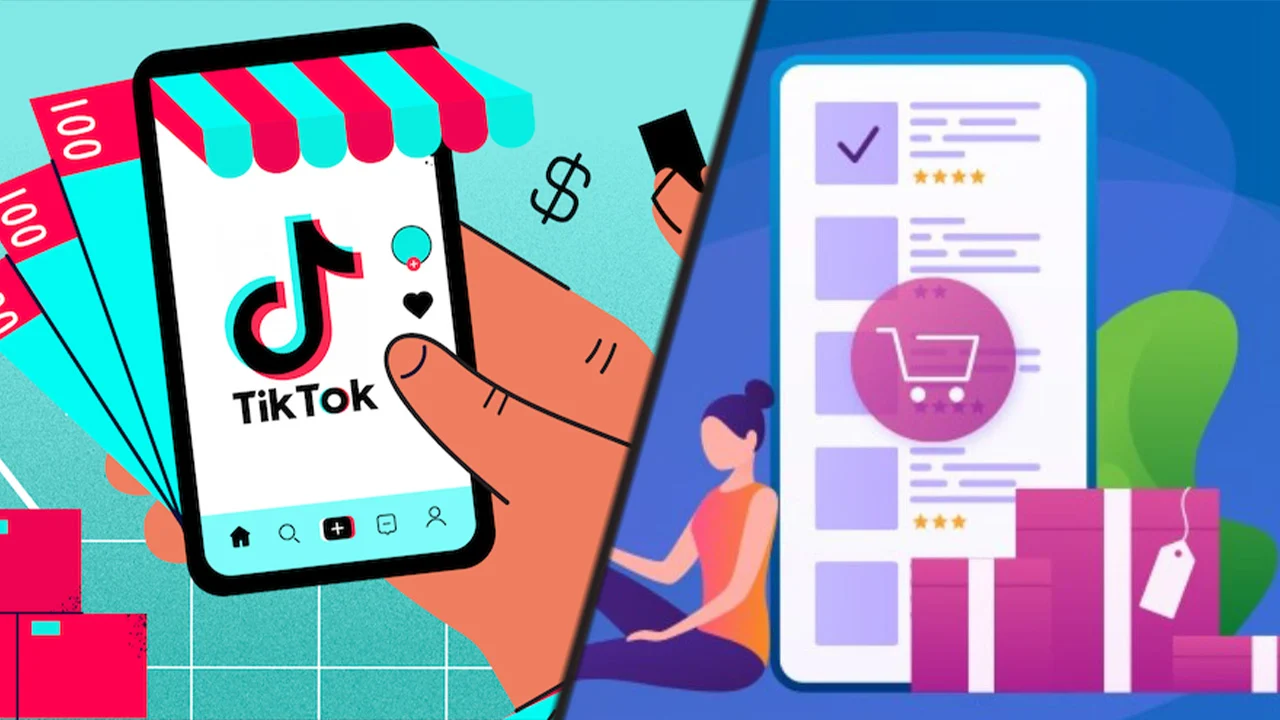
TikTok isn’t just another social platform bolted onto ecommerce. It’s quietly rewriting how products are discovered, trusted, and purchased—and it’s doing it faster than anything we’ve seen before.
While Facebook and Instagram spent years evolving from social networks into ad platforms, TikTok skipped that entire phase. It started as an entertainment engine and is rapidly becoming a full-funnel commerce ecosystem where discovery, education, validation, and conversion happen in the same scroll.
Here’s why TikTok is changing ecommerce faster than any other platform—and what smart brands are doing to keep up.
Discovery Is No Longer Intent-Based—It’s Algorithm-Based
Traditional ecommerce traffic depends on intent. Google shoppers search for a problem. Amazon shoppers search for a product. Social ads interrupt users who may or may not care.
TikTok flips that model.
Its algorithm doesn’t wait for intent—it creates it. A user scrolling for entertainment can suddenly find themselves watching a creator explain how a $12 kitchen tool changed their routine, followed by dozens of similar videos reinforcing the same message. By the time the product appears with a “Buy Now” button, the shopper feels like they discovered it themselves.
This is why products go from zero to sold out in days on TikTok. The algorithm clusters content around emerging interests faster than search or paid ads ever could.

From the publisher
Everything we know about running Amazon, in one course.
The commercial strategy, taught by operators who run our own brands.
Trust Is Built Through Faces, Not Brands
On TikTok, brands don’t lead. People do.
Short-form video rewards authenticity over polish. A shaky phone video filmed in a bedroom routinely outperforms a $50,000 studio ad because it feels real. Viewers aren’t watching a brand pitch—they’re watching someone like them test, explain, and react.
This is especially powerful for ecommerce because:
- Demonstration replaces description
- Social proof is baked into the comments
- Objections are answered in real time by creators and viewers
For new or unknown brands, TikTok collapses the trust-building timeline. What once took months of reviews, testimonials, and retargeting can now happen in a single viral content loop.
TikTok Shop Removes Friction Entirely
TikTok Shop is one of the most disruptive ecommerce developments in the last decade, largely because it eliminates the biggest conversion killer: leaving the app.
Instead of:
Video → Click → Landing page → Product page → Checkout
TikTok offers:
Video → Buy
For creators, this means monetization without audience fatigue. For brands, it means impulse purchases at scale. For consumers, it feels less like shopping and more like participating in culture.
What’s especially powerful is how TikTok blends affiliate marketing with native commerce. Thousands of creators can sell the same product simultaneously, each adding their own angle, without the brand managing individual partnerships.
This turns TikTok into a decentralized sales force that works 24/7.
Content Is the New SKU
On TikTok, products don’t sell because of listings. They sell because of content volume.
One product might have:
- Tutorials
- Reactions
- Before-and-after videos
- “TikTok made me buy it” clips
- Problem-solution storytelling
- Duets answering skeptical comments
Each video becomes a mini sales asset, and collectively they function like a living, breathing product page—one that evolves daily based on feedback.
This is why brands that treat TikTok as an ad channel struggle, while brands that treat it as a content engine win. The winners aren’t asking, “How do we run ads?” They’re asking, “How do we create 100 pieces of content around one product?”
Speed Is Now a Competitive Advantage
TikTok rewards fast movers.
Brands that can:
- Launch quickly
- Test creators rapidly
- Adjust messaging in real time
- Restock inventory without delays
…are the ones capturing outsized gains.
This is also why TikTok pairs so well with platforms like Shopify, where backend flexibility, app integrations, and fulfillment speed allow brands to capitalize on viral moments instead of missing them.
A product going viral on TikTok without the operational ability to fulfill demand isn’t a win—it’s a missed opportunity.
Ecommerce Is Becoming Entertainment-First
The biggest shift TikTok has introduced isn’t technical—it’s psychological.
People no longer want to “shop.” They want to be entertained, educated, and inspired. The purchase is a byproduct of the experience, not the goal.
This is why TikTok commerce feels inevitable rather than forced. When done right, buying feels like participating in a trend, joining a community, or solving a problem you didn’t realize had a solution.
Brands that understand this stop asking how to sell more products—and start asking how to tell better stories.
The Bottom Line
TikTok isn’t replacing ecommerce platforms. It’s reshaping how consumers arrive at them—or bypass them entirely.
For ecommerce entrepreneurs, brand owners, and even established retailers, the message is clear: TikTok is no longer optional, experimental, or “just for Gen Z.” It’s the fastest-moving commerce engine in the world right now.
The brands that win won’t be the loudest advertisers. They’ll be the best storytellers, the fastest learners, and the ones willing to let creators—and customers—lead the conversation.
And in this new era of ecommerce, that might be the biggest advantage of all.
 Jorge Callejo