

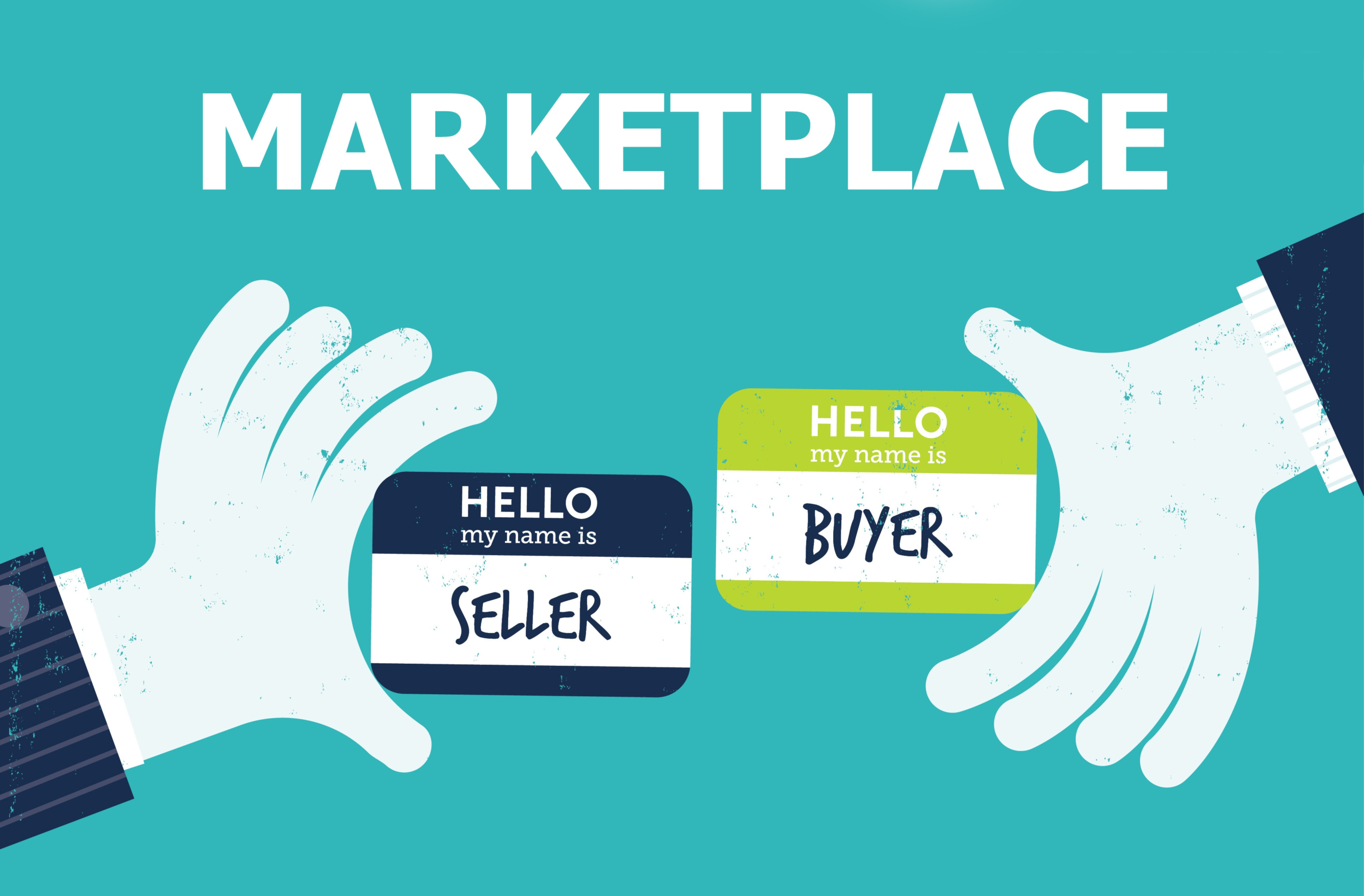
Marketplaces promise scale, speed, and built-in trust. For many ecommerce brands, platforms like Amazon, Walmart, and Etsy feel like the fastest path to revenue—especially early on.
But what rarely gets discussed are the hidden costs of selling on marketplaces. Not just the obvious fees, but the strategic trade-offs that quietly compound over time. These are the costs that don’t show up neatly on a P&L, yet often determine whether a brand remains in control or becomes dependent.
Here’s what most sellers only realize after it’s too late.
You Don’t Own the Customer—You Rent Them
This is the biggest cost, and the hardest to quantify.
On marketplaces, the customer relationship belongs to the platform. You don’t control the email list, the remarketing, or the post-purchase experience. You can’t build a community, nurture loyalty, or meaningfully increase lifetime value outside the rules you’re given.
Every repeat purchase feels like a win—but it’s still a repeat purchase you don’t own. Over time, this limits your ability to build a defensible brand rather than a replaceable listing.
Fees Compound Faster Than Revenue Grows
Most sellers focus on referral and fulfillment fees, but marketplaces monetize every layer of the transaction.
Storage fees, long-term inventory penalties, advertising costs, returns processing, chargebacks, currency conversions, and compliance requirements all chip away at margins. As competition increases, paid visibility becomes less optional, pushing ad spend higher just to maintain the same sales velocity.
The result? Revenue grows, but profitability stalls—or declines.
You Compete Against the Platform Itself
Marketplaces don’t just host sellers—they learn from them.
Top-performing products often attract private-label competition, preferential placement for in-house brands, or algorithmic favoritism toward listings that drive higher marketplace profit, not higher seller margins.
Even if your product wins today, there’s no guarantee it won’t be replicated, undercut, or deprioritized tomorrow.
Brand Value Gets Diluted
Marketplaces are optimized for comparison shopping, not brand building.
Your product sits next to dozens of nearly identical alternatives, competing on price, reviews, and delivery speed. Over time, this trains customers to see your product as interchangeable—even if you’ve invested heavily in differentiation.
For brands thinking long-term, this dilution can quietly cap enterprise value and exit potential.
Policy Changes Create Instant Risk
One policy update can erase years of work.
Account suspensions, listing takedowns, compliance changes, or algorithm shifts often happen without warning and with limited recourse. Sellers are guilty until proven innocent, and resolution timelines rarely align with cash-flow realities.
This creates a risk profile most brands underestimate until they experience it firsthand.
Operational Complexity Scales Invisibly
As volume grows, so does operational overhead.
Marketplace selling introduces complexity around inventory forecasting, multi-channel fulfillment, customer service compliance, returns management, and tax obligations—often across multiple regions.
What starts as “easy revenue” becomes a system that requires dedicated tools, people, and processes just to maintain equilibrium.
The Opportunity Cost No One Mentions
Perhaps the most expensive cost is what marketplaces delay.
Every year spent building someone else’s platform is a year not spent building:
- First-party data
- Direct customer relationships
- Higher-margin DTC channels
- A brand with true pricing power
Marketplaces aren’t wrong—but relying on them exclusively often slows the development of assets that matter most long-term.
The Smarter Way to Use Marketplaces
The most successful brands don’t avoid marketplaces—they contextualize them.
They use marketplaces for:
- Customer acquisition
- Demand validation
- International expansion
- Fulfillment leverage
But they invest in owned channels—like Shopify stores, email, SMS, and creator-driven commerce—to build durable value and margin control.
Final Thought
Marketplaces are powerful, but they’re not free—and the real costs aren’t always visible on day one.
The brands that win long-term are the ones that treat marketplaces as a channel, not a foundation. They enjoy the scale, respect the risks, and build something they actually own alongside it.
In today’s ecommerce landscape, ownership isn’t just an advantage—it’s survival.

From the publisher
Everything we know about running Amazon, in one course.
The commercial strategy, taught by operators who run our own brands.