

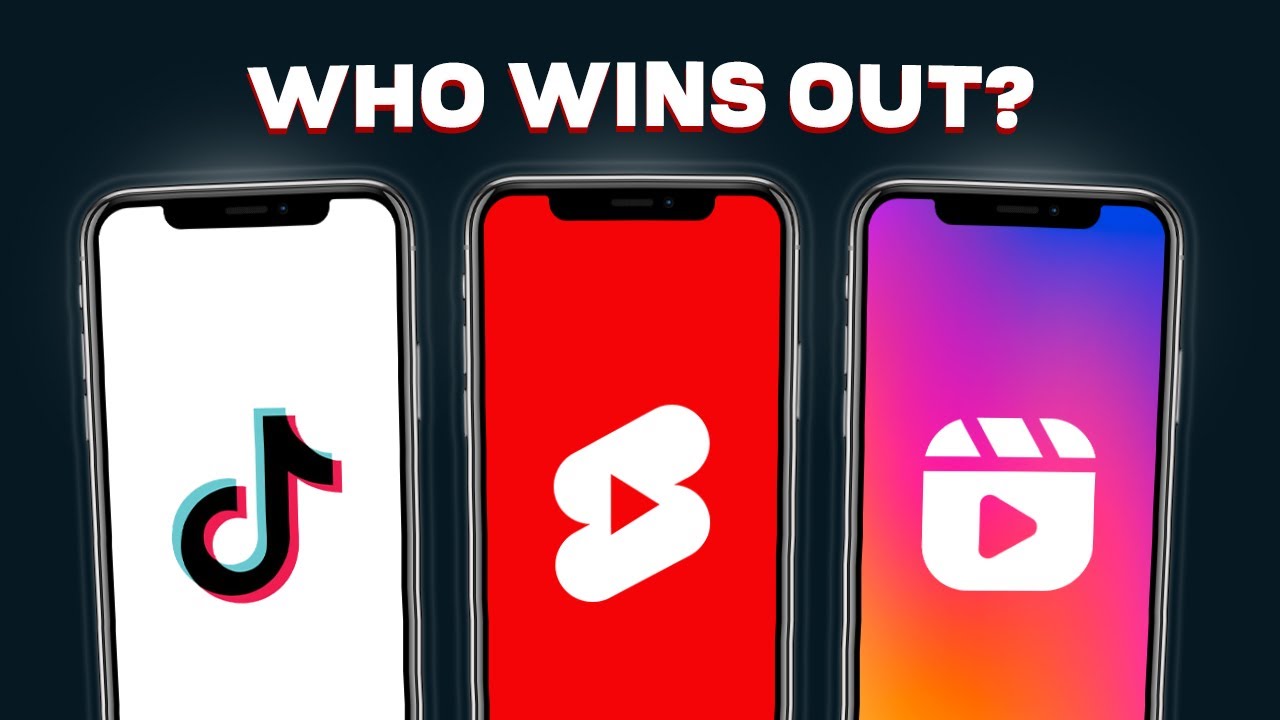
Social commerce is no longer an experiment—it’s a battleground. And the three platforms fighting hardest for dominance are Meta, TikTok, and YouTube.
Each one is chasing the same prize: becoming the place where discovery, trust, and purchase happen without friction. But they’re taking very different paths to get there, shaped by their algorithms, user behavior, and business models.
For ecommerce brands, understanding this battle isn’t about choosing a winner. It’s about knowing how each platform actually drives commerce—and where your products fit best.
TikTok: Commerce Built on Culture
TikTok didn’t start with shopping in mind, which is exactly why it’s winning attention.
Its algorithm is interest-driven, not social-graph-driven. That means products don’t need brand awareness or followers to go viral—only relevance. A single creator explaining a product well can spark a cascade of demand that feels organic, not forced.
TikTok Shop accelerates this by collapsing the funnel. Discovery, education, social proof, and checkout all happen inside the app. Creators become affiliates by default, turning content into a distributed sales engine.
TikTok works best for products that can be demonstrated, transformed, or emotionally explained. When it hits, it hits fast—but it also requires operational readiness. Virality without fulfillment is a liability, not a win.

From the publisher
Everything we know about running Amazon, in one course.
The commercial strategy, taught by operators who run our own brands.
Meta (Instagram & Facebook): Performance at Scale
Meta remains the most mature commerce platform in terms of infrastructure.
Its strength isn’t novelty—it’s depth. Advanced targeting, sophisticated retargeting, massive advertiser demand, and proven conversion systems still make Meta the backbone of many seven- and eight-figure ecommerce brands.
Instagram shopping integrates cleanly with brand aesthetics, influencer partnerships, and lifestyle storytelling. Facebook still dominates remarketing and bottom-of-funnel conversions, even as attention shifts elsewhere.
Where Meta struggles is discovery without intent. Content is increasingly pay-to-play, and organic reach rarely carries a product from zero to breakout. Meta excels when demand already exists—and when brands know how to monetize it efficiently.
YouTube: The Long Game of Trust
YouTube is the most underestimated player in social commerce.
While TikTok drives impulse and Meta drives efficiency, YouTube drives conviction. Long-form video allows creators to explain, compare, and review products in depth, answering objections before the viewer even realizes they had them.
YouTube doesn’t spike demand overnight—but it compounds. A well-placed product review or tutorial can generate sales for years. Combined with YouTube Shorts and improved shopping integrations, the platform is quietly building a full-funnel commerce ecosystem.
YouTube works best for higher-consideration products, subscriptions, and brands that benefit from education rather than hype.
Different Platforms, Different Commerce DNA
The mistake brands make is treating all three platforms the same.
TikTok is about momentum.
Meta is about efficiency.
YouTube is about trust.
Each platform excels at a different stage of the buying journey, and the smartest brands aren’t choosing one—they’re sequencing them.
TikTok sparks interest.
YouTube deepens belief.
Meta captures and scales demand.
What This Means for Ecommerce Brands
In this new social commerce war, content is the currency—but strategy determines ROI.
Brands that win:
- Match products to platform behavior
- Build creator relationships, not just ads
- Invest in owned channels alongside platforms
- Optimize operations for speed and scale
Social commerce isn’t replacing ecommerce—it’s reshaping how customers arrive at it.
The Bottom Line
Meta, TikTok, and YouTube aren’t competing to be social networks anymore. They’re competing to be commerce platforms.
There won’t be a single winner. The real advantage belongs to brands that understand how each platform sells—and design their content, operations, and funnels accordingly.
In the next phase of ecommerce, attention starts the sale—but execution finishes it.
 Jorge Callejo