

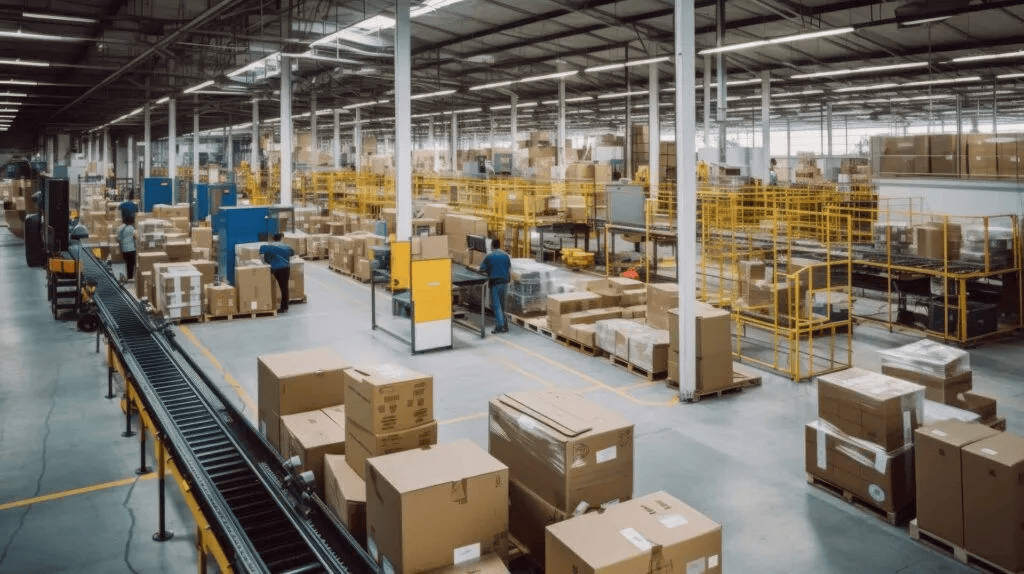
TikTok Shop just tested how much control it really has over U.S. sellers — and found the limit.
In early February, TikTok signaled plans to push U.S. merchants toward centralized shipping, tightening control over fulfillment rather than allowing independent logistics. Sellers reacted quickly. Backlash spread across operator circles. Within days, TikTok paused the rollout.
That’s not a minor tweak. That’s a strategic reversal.
- TikTok attempted to centralize U.S. seller fulfillment.
- Sellers pushed back hard — especially larger operators.
- TikTok paused the policy change.
- This reveals TikTok wants logistics control but doesn’t have the leverage (yet).
- Operators should expect this fight to resurface in a different form.
Let’s be clear about what this was really about.
Centralized fulfillment isn’t about convenience. It’s about margin capture and data control.
If TikTok owns logistics, it:
- Controls shipping speed standards
- Captures additional fees
- Sees deeper operational data
- Locks sellers into infrastructure
Sound familiar? It’s the Amazon playbook.
But here’s the difference: Amazon built FBA over years with seller dependency baked in. TikTok doesn’t have that same leverage — at least not yet.
Many U.S. TikTok sellers already use:
- Established 3PL partners
- In-house fulfillment
- Hybrid Amazon + TikTok inventory strategies
Forcing a shift risks:
- Margin compression
- Inventory duplication
- Cash flow disruption
- Slower shipping during transition
That’s not theoretical pain. That’s real operator math.
The backlash tells us something important: TikTok Shop’s seller ecosystem is still optional. Sellers are experimenting — not dependent.
And TikTok knows it.
If TikTok overplays control too early, serious operators can pull budget back to:
- Amazon
- Shopify DTC
- Walmart Marketplace
- Paid media arbitrage elsewhere
This pause doesn’t mean TikTok is abandoning logistics ambitions. Quite the opposite.
It means they tested elasticity.
And they’re calibrating.
Expect TikTok to:
- Reintroduce centralized fulfillment with incentives instead of mandates
- Subsidize shipping temporarily
- Tie algorithm boosts to using TikTok logistics
- Offer fulfillment discounts before enforcing policy
Platforms rarely retreat permanently. They regroup.
For operators, this episode raises a bigger question:
Are you building on TikTok — or renting growth from it?
If you’re heavily dependent on TikTok Shop revenue and have no control over fulfillment strategy, you’re exposed to future policy shifts.
Right now, TikTok doesn’t have full operational gravity.
But if GMV keeps growing, that changes.
This isn’t just a shipping story.
It’s a power story.
And sellers won this round.

From the publisher
Everything we know about running Amazon, in one course.
The commercial strategy, taught by operators who run our own brands.
 Jorge Callejo