Ecommerce in 2026 won’t be defined by a single platform or tactic. It will be shaped by how brands adapt to a more fragmented, creator-driven, and efficiency-focused digital economy.
The past few years rewarded growth at all costs. The next wave rewards brands that move faster, build trust earlier, and extract more value from every customer they already have. Here are the ecommerce trends that actually matter in 2026—not the buzzwords, but the shifts reshaping how online businesses win.
Creator-Led Commerce Becomes a Core Channel
Influencer marketing is no longer a campaign—it’s infrastructure.
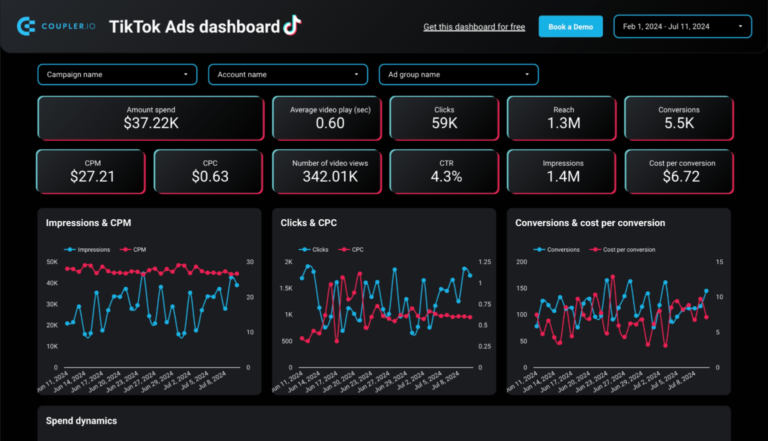
In 2026, the most effective ecommerce brands treat creators the way they once treated paid ads: always-on, performance-measured, and deeply integrated into their product strategy. TikTok Shop, Instagram Checkout, and affiliate-enabled UGC have turned creators into decentralized sales teams rather than brand ambassadors.
What’s changed is accountability. Brands now expect creators to drive measurable revenue, not just awareness. Platforms are responding with native attribution, commission-based payouts, and built-in checkout—making creator-led commerce both scalable and predictable.
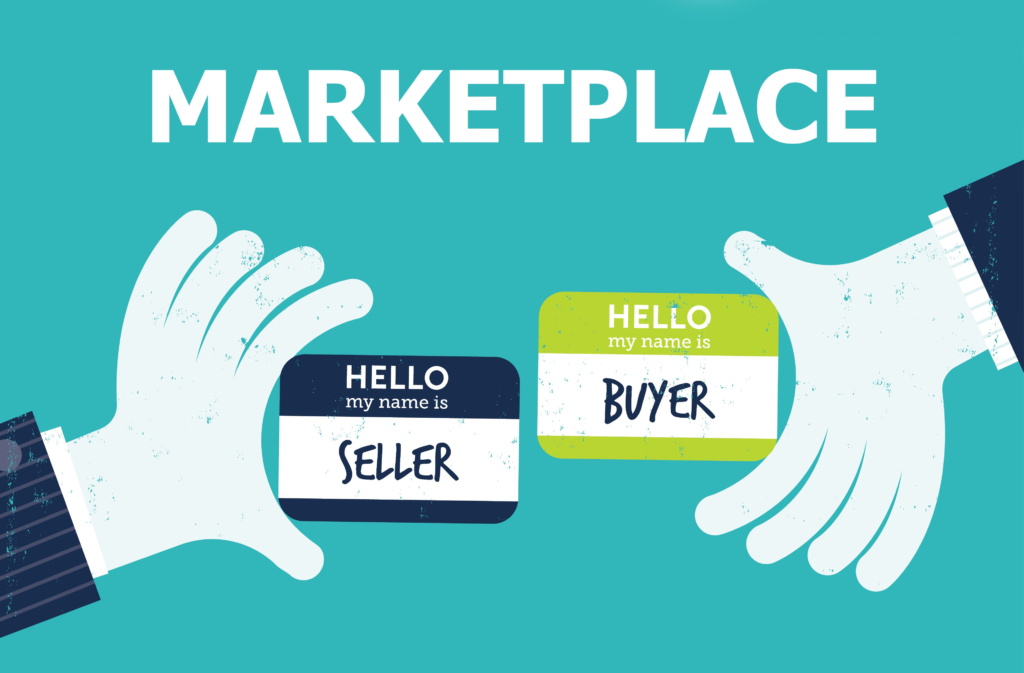
Marketplaces Are Losing Their Monopoly on Trust
Amazon still dominates fulfillment, but it no longer owns trust the way it once did.
Consumers now trust people more than platforms. A product explained by a creator on TikTok or YouTube often carries more weight than hundreds of anonymous reviews. This shift is pushing brands to invest in direct-to-consumer channels again—not because marketplaces are disappearing, but because brand-owned trust is becoming more valuable than borrowed trust.
In 2026, smart brands use marketplaces for reach and logistics while building loyalty, data, and community off-platform.
Retention Outperforms Acquisition (Again)
As paid media costs remain unpredictable, retention has moved from “important” to “essential.”
Email, SMS, loyalty programs, subscriptions, and post-purchase experiences are now where profit is won or lost. Brands that scale sustainably in 2026 aren’t chasing more traffic—they’re increasing lifetime value through smarter segmentation, personalization, and timing.
This is also where AI quietly makes the biggest impact, powering predictive churn modeling, next-best-offer recommendations, and dynamic messaging without increasing team size.
Content Replaces Product Pages
Static product pages are becoming less persuasive on their own.
Consumers want to see how products work, how they fit into real life, and how others use them. Short-form video, UGC galleries, live shopping, and interactive demos are replacing long blocks of copy and generic feature lists.
In 2026, the best-performing product pages look more like content hubs—aggregating social proof, education, and storytelling into a single buying experience.
Speed Is the New Moat
Speed isn’t just about shipping anymore.
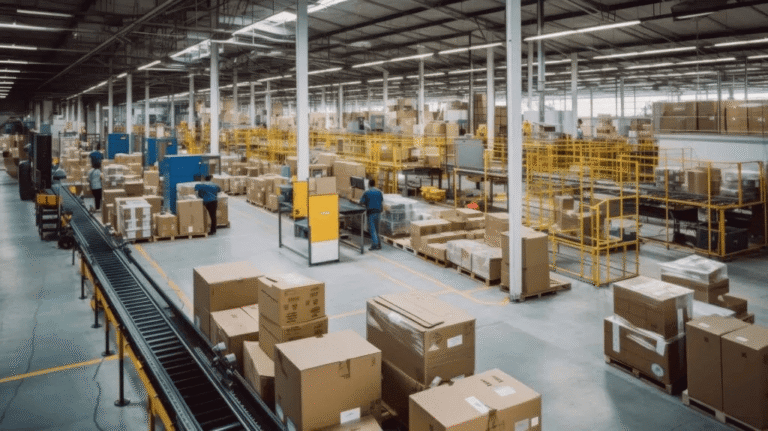
It’s about how quickly a brand can test offers, launch products, respond to trends, restock inventory, and pivot messaging. Platforms like Shopify, combined with flexible fulfillment partners and automated operations, allow brands to capitalize on moments while competitors are still planning.
The faster you can learn and execute, the harder you are to compete with.
Data Clarity Beats More Data
Brands aren’t short on data—they’re short on clarity.
In 2026, winning teams focus less on dashboards full of metrics and more on understanding contribution margin, customer profitability, and channel overlap. Attribution doesn’t need to be perfect; it needs to be directionally accurate and actionable.
This shift favors tools and teams that simplify decision-making instead of drowning operators in noise.
Ecommerce Becomes Entertainment-First
Shopping is no longer the primary intent—it’s the outcome.
Whether it’s TikTok, live shopping, or creator storytelling, ecommerce increasingly sits downstream from entertainment. Brands that understand this stop interrupting consumers and start engaging them.
The product still matters—but the experience around discovering it matters just as much.
The Big Takeaway
Ecommerce in 2026 rewards brands that think like media companies, operate like tech companies, and build trust like communities.
The advantage won’t go to the biggest budgets—it will go to the fastest learners, the best storytellers, and the brands willing to adapt before they’re forced to.
Watching these trends isn’t enough. The brands that win are the ones building around them today.