

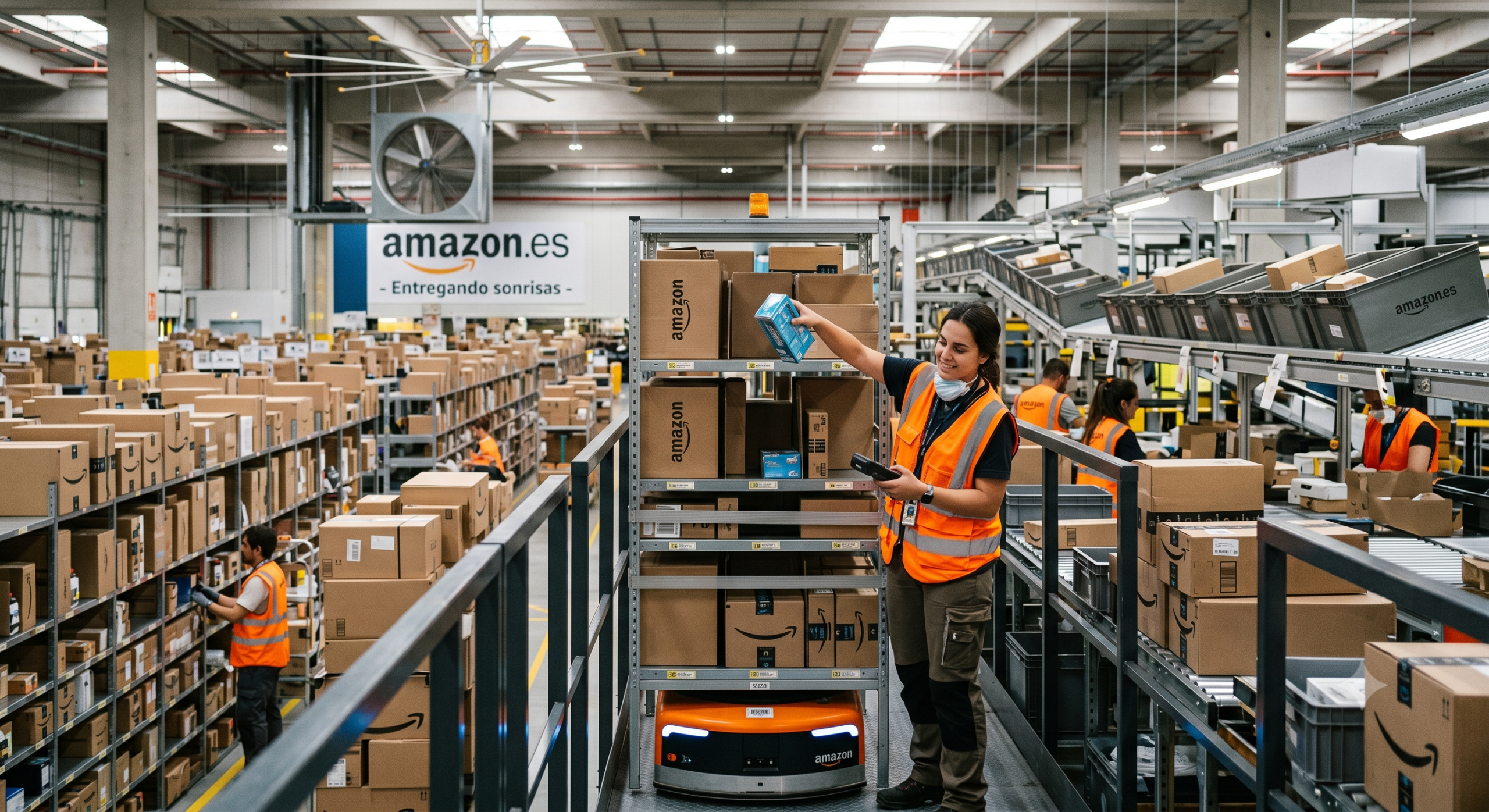
Amazon didn’t just change eCommerce.
It changed consumer psychology.
Over the last decade, Amazon has trained millions of people to expect:
- instant delivery
- one-click purchasing
- frictionless returns
- real-time tracking
- near-infinite product availability
And now, those expectations extend far beyond Amazon itself.
Every retailer is competing against standards Amazon created.
The Rise of Instant Commerce
In the past, shopping involved patience.
Customers expected:
- multi-day shipping
- delayed responses
- limited convenience
Amazon normalized something different:
👉 immediacy.
Today, consumers increasingly expect:
- same-day delivery
- instant checkout
- seamless customer support
- minimal friction at every stage
Convenience is no longer a bonus.
It’s the baseline.
Consumer Expectations Never Move Backward
One of the most important realities in commerce is this:
once expectations rise, they rarely fall.
After consumers experience:
- one-click purchasing
- next-day delivery
- effortless returns
they begin expecting that experience everywhere.
This creates pressure across the entire retail ecosystem.
Logistics Became a Competitive Weapon
Amazon’s biggest innovation may not have been retail itself—
but logistics.
The company invested billions into:
- fulfillment centers
- delivery networks
- warehouse automation
- predictive inventory systems
These investments reshaped how consumers think about speed and reliability.
Now, delivery expectations are psychological expectations.
Friction Became the Enemy
Amazon succeeded by removing friction:
- fewer clicks
- faster checkout
- easier returns
- automated recommendations
Over time, consumers became less tolerant of inconvenience.
Today:
- slow websites feel broken
- delayed shipping feels unacceptable
- complicated checkout kills conversion
This behavioral shift affects every retailer.
AI Will Accelerate Expectations Even Further
Artificial intelligence is pushing this transformation even faster.
AI shopping assistants and predictive systems may soon allow consumers to:
- discover products instantly
- receive automated recommendations
- reorder items automatically
- complete purchases conversationally
This moves commerce closer to:
👉 invisible consumption.
The less effort required, the more normalized convenience becomes.
Retailers Face a Difficult Challenge
Most companies cannot match Amazon’s infrastructure scale.
But consumers compare experiences anyway.
This creates a dangerous gap between:
- what customers expect
and: - what many retailers can realistically deliver.
The result is growing pressure on:
- margins
- fulfillment operations
- customer service
- operational efficiency.
The Bigger Shift
Amazon’s influence goes beyond market share.
It has fundamentally altered:
- consumer patience
- buying behavior
- expectations around convenience
Retail is no longer competing only on products or price.
It is competing on:
👉 speed
👉 simplicity
👉 operational excellence.
Final Thought
Amazon didn’t just build a marketplace.
It trained consumers to expect a world where:
- commerce is instant
- friction is invisible
- and convenience feels automatic.
That may be Amazon’s most powerful innovation of all.
Because once consumer expectations change, the entire industry is forced to adapt.

From the publisher
Everything we know about running Amazon, in one course.
The commercial strategy, taught by operators who run our own brands.
 Erene Araojo