

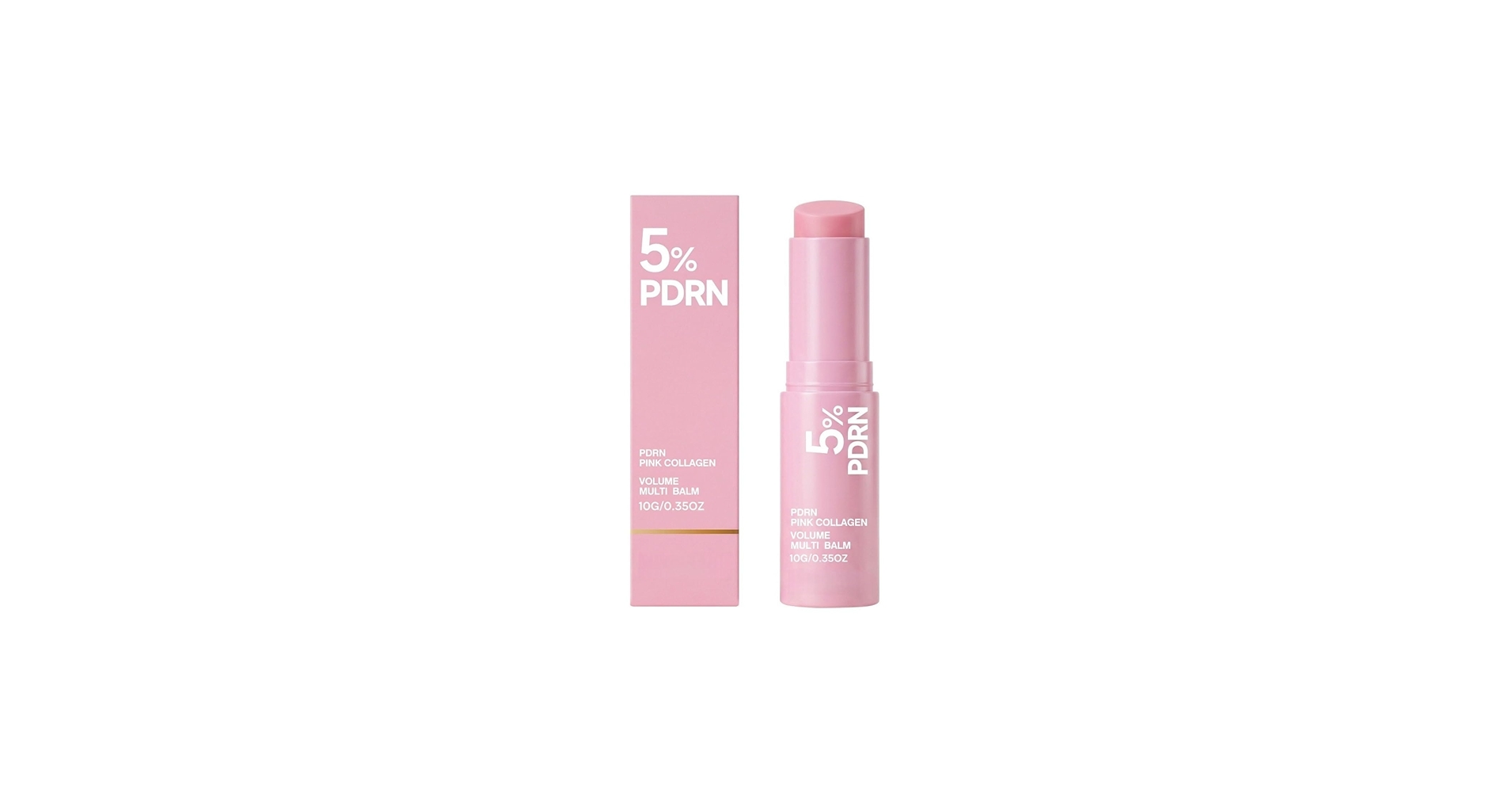
The single best-selling product on TikTok Shop in the United States last quarter was not made in America. According to FastMoss’s Q2 2026 US ranking, the number one item on the entire platform was medicube’s PDRN Pink Collagen balm, a Korean skincare product that generated $16.99 million in a single quarter. Add its bundled set and the same product line cleared more than $27 million in three months. This is not a story about one viral video getting lucky. Skincare, and Korean skincare in particular, took three of the top four platform slots in Q2 2026. For operators, the question is not whether K-beauty is having a moment. It is why K-beauty fits TikTok Shop so completely, and what that says about your own category.
We want to be precise about what happened here. On Amazon and at Sephora, Western beauty names still win the shelf. On TikTok Shop the board looks different: Korean brands like medicube and Dr.Melaxin sit at the top, and they did not get there by outspending everyone. They got there by matching the platform’s mechanics better than the incumbents did. Below we break down how, figure by figure, and then translate it into what is portable for a brand that sells something else entirely.
The numbers behind the takeover
Start with the concentration. A $16.99 million quarter for one balm is not a spike, it is a franchise. When a single SKU can do that on a discovery-driven platform, it means the product is being sold again and again by a large, distributed set of creators, not carried by one breakout clip that fades in a week. The bundle math reinforces it: the balm plus its set moving north of $27 million in the same quarter shows the brand is capturing the shopper at more than one price point, upgrading the impulse buyer into a set buyer inside the same funnel.
Now the breadth. Three of the top four products in Q2 2026 came from skincare, and Korean brands led them. One hero product can be an accident. Three of four is a pattern, and a pattern is a signal about what the platform is structurally good at selling. TikTok Shop did not decide to favor K-beauty. K-beauty happened to be built, years before TikTok Shop existed, for exactly the kind of selling the platform rewards.
Tool comparison · FastMoss vs Kalodata
Before you decide whether your category can run the same play, look at who is actually winning it and how. FastMoss leans toward broad product and shop discovery across a large catalog, useful for seeing which SKUs and brands are climbing the ranks. Kalodata leans toward deeper creator and video-level revenue analytics, useful for seeing which creators and which content formats are driving the sales. Compare both on the top products in your niche before you commit a budget.
FTC disclosure: E-CommSphere may earn a commission if you subscribe through our links, at no extra cost to you. We only feature tools we would use ourselves, and our comparisons are editorial.

From the publisher
Everything we know about running Amazon, in one course.
The commercial strategy, taught by operators who run our own brands.
Why K-beauty fits the platform so well
Three properties explain the fit, and none of them is “the products are good,” because plenty of good products fail here. The first is ritual. Korean skincare is built around a multi-step routine, and a routine is inherently watchable. Every step is a shot, every product a beat in a sequence a creator can film, narrate and repeat. A category that is a process, not a single object, generates far more content per product, and content volume is the raw material TikTok Shop runs on.
The second is observable transformation. K-beauty leans on visible, near-term change: texture, glow, plumpness, the before and the after. Short video is a demonstration medium, and a product whose benefit can be shown in fifteen seconds has a structural advantage over one whose benefit is abstract or slow. The balm that topped the chart is easy to show working; that is not a marketing accident, it is a product-selection advantage.
The third is ingredient novelty as a story. PDRN, collagen, the named actives: K-beauty packages its chemistry as a narrative a creator can explain and a shopper can repeat. Novelty gives every creator a fresh angle, which keeps the content from feeling like the same ad a thousand times. The category renews its own talking points, and that renewal feeds the algorithm a steady stream of things that look new.
The engine underneath: stock plus creators
Here is the part operators miss when they call this a content win. Behind the ritual and the ingredient story sits an unglamorous operational machine: enough inventory to survive a demand spike, and a creator program wide enough to manufacture that spike on purpose. A product that goes viral and then stocks out has thrown the win away. The brands at the top of this board treat stock depth and creator recruitment as the actual product, and the balm as the thing that flows through it.
That is why this is repeatable for them and not for a brand that got one lucky video. Winning here is a distributed effort: many creators, many videos, a wide net of affiliate partners each taking a small cut, and a supply chain that can absorb the orders when several of those videos land at once. It looks like magic from the outside and like logistics from the inside.
Tool comparison · FastMoss vs Kalodata
The stock-plus-creators engine only works if you can see which creators actually convert and which products are about to move. FastMoss casts a wider net across products and shops for discovery, good for finding the rising SKU and the affiliates already selling it. Kalodata goes deeper on creator-level and video-level revenue, good for judging which creators pay their way before you sign them. Compare both on the same niche and see which surfaces the opportunity first.
FTC disclosure: E-CommSphere may earn a commission if you subscribe through our links, at no extra cost to you. We feature only tools we would use ourselves, and our comparisons are editorial.
Is your category already being redefined?
The reason this matters beyond beauty is that TikTok Shop rewards the same three properties in every category. Ask the honest question of your own products. Is there a ritual, a sequence a creator can film more than once? Is the benefit observable on camera in seconds, or does it require the shopper to take your word for it? Is there a story, an ingredient, a mechanism, a design detail, that gives each creator a fresh angle instead of the same script? If your category scores well on those, K-beauty is your template, not your competitor. If it scores badly, that is the more important finding, because it tells you the platform will fight you until you change the product or the way you present it.
What is portable is the mechanics, not the balm. A supplement brand can build a ritual around a daily routine. A kitchen tool can build observable transformation around a before-and-after. A hardware product can turn a technical spec into an ingredient-style story. And every one of them can build the stock-plus-creators engine, because that engine is category-agnostic. The Korean brands at the top of the chart did not win because skincare is special. They won because they matched what the platform is built to sell, and then resourced it like an operation rather than a campaign.
The takeaway for this week is direct. A $17 million balm is not a beauty story, it is a distribution story with a Korean accent. The brands winning TikTok Shop are the ones whose product is watchable, whose benefit is visible, whose story renews itself, and whose back office can keep up when the videos land. Look at your own catalog against that list. If you see gaps, that is your roadmap. If a competitor in your niche already checks those boxes, your category is being redefined right now, with or without you.
Sources
- FastMoss, “TikTok Shop Q2 2026 Best Sellers: Top 10 Products (US)”: medicube PDRN Pink Collagen balm ranked #1 at $16.99M; skincare taking 3 of the top 4 slots; Korean brands leading. https://www.fastmoss.com/blog/best-selling-tiktok-shop-products-us-q2-2026/
- Brand and bundle figures (medicube balm plus set $27M+ in the US in one quarter; medicube and Dr.Melaxin as leading Korean brands): ANV Content Factory pipeline brief, W28. Aggregate bundle figure is a pipeline estimate; the $16.99M single-product rank is the verified FastMoss figure above.
 Erene Araojo