

For the last two years, a lot of operators have treated TikTok Shop like a test budget line.
Experimental. Volatile. Creator-dependent. Maybe useful for certain categories.
Now we’re seeing projections that TikTok Shop could become a top three global retailer by 2030.
That sounds aggressive.
It’s also not crazy.
Because this isn’t just about GMV growth. It’s about a structural shift in how discovery and checkout are merging.
And TikTok owns that loop better than anyone.
- TikTok Shop is projected to become a top 3 global retailer within a few years.
- Discovery and checkout are fully integrated — that’s the real advantage.
- Creator-driven commerce is becoming infrastructure, not a campaign tactic.
- Brands still “testing” TikTok Shop are behind.
- Operators should treat TikTok as a core channel with dedicated inventory and ad strategy.
What Actually Changed
The conversation around TikTok Shop has shifted from:
“Is social commerce viable in Western markets?”
to
“How big does this get?”
TikTok has already proven three things:
- Users will buy inside the app.
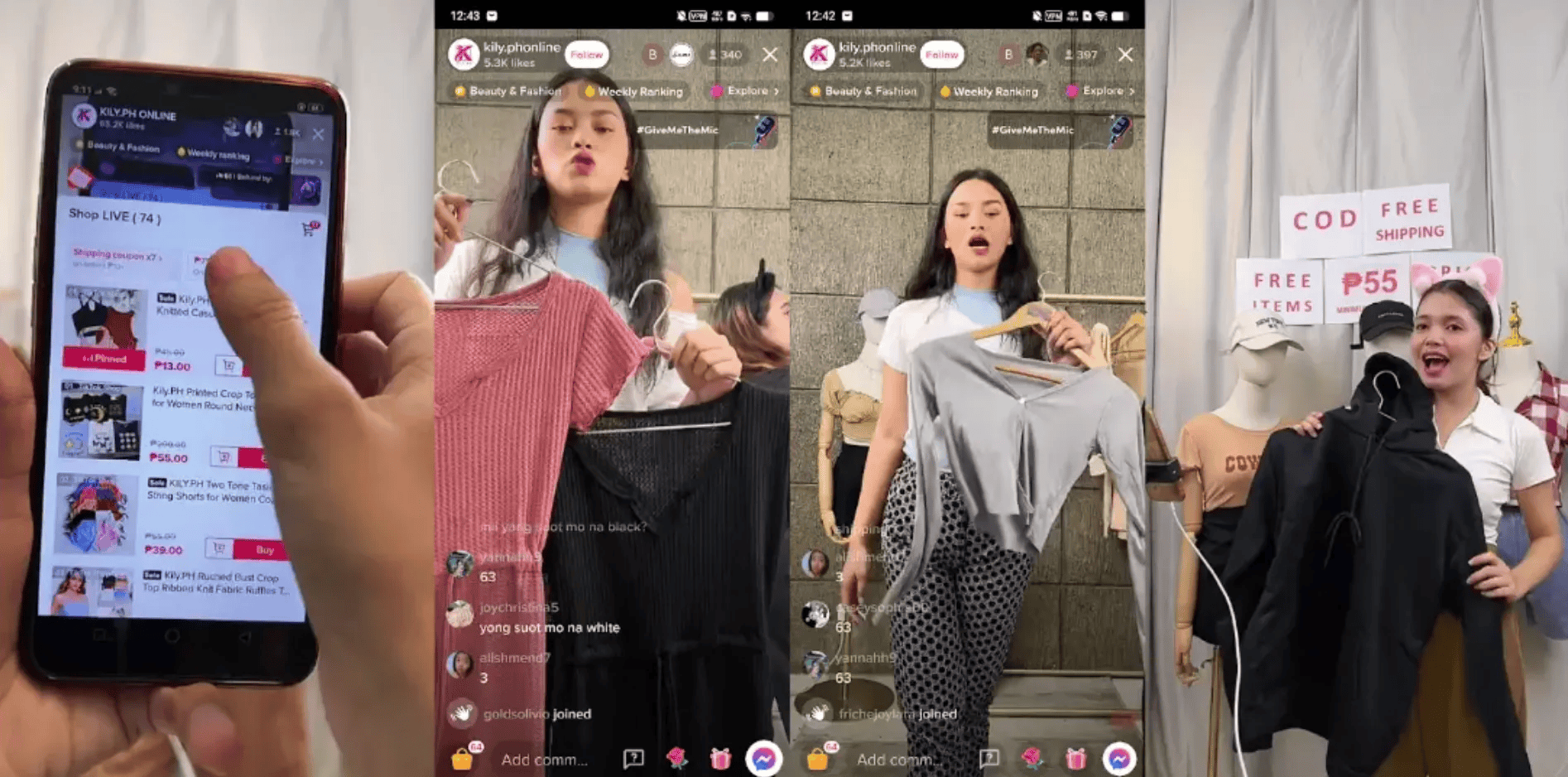
- Creators can reliably drive transactions, not just impressions.
- Livestream + short-form video converts when friction is low.
The key differentiator isn’t audience size.
It’s closed-loop commerce.
Discovery happens in-feed.
Social proof happens in comments.
Checkout happens natively.
Retention happens via algorithm.
No handoff to browser. No search bar required.
That’s powerful.

From the publisher
Everything we know about running Amazon, in one course.
The commercial strategy, taught by operators who run our own brands.
Why Top 3 Is Plausible
When analysts talk about “top three global retailer,” they’re looking at trajectory:
- Explosive GMV growth
- Cross-border seller onboarding
- Logistics expansion
- Heavy subsidy and incentive strategy
- Creator monetization flywheel
TikTok doesn’t need to beat Amazon in search intent.
It just needs to dominate impulse and algorithmic discovery commerce.
That’s a different battlefield.
And for categories like beauty, fashion, home gadgets, supplements, and trending consumer goods — TikTok already feels native.
The Real Advantage: Algorithmic Merchandising
Amazon is search-first.
Walmart is automation-first.
Shopify is brand-first.
TikTok is algorithm-first.
That means product visibility is tied to:
- Watch time
- Engagement velocity
- Creator distribution
- Content format iteration
Traditional ecommerce teams often struggle here because they treat TikTok like paid social.
It’s not.
It’s merchandising through content velocity.
And the brands that understand that are scaling disproportionately.
Who This Helps
1. Agile brands with fast content cycles
If you can produce 20 creative angles per week, you have leverage.
2. Creator-native brands
Brands comfortable with UGC and affiliate creator ecosystems.
3. Emerging brands without Amazon dominance
TikTok allows leapfrogging search incumbents.
Who This Hurts
1. Brands dependent on search intent
If discovery shifts earlier into algorithmic feeds, high-ranking incumbents lose insulation.
2. Operators with rigid supply chains
TikTok demand can spike unpredictably. Slow inventory = lost momentum.
3. Brands afraid of discount-driven growth
TikTok has historically leaned on aggressive incentives.
The Creator Infrastructure Angle
One underappreciated shift: creators are becoming distributed storefronts.
Affiliate commissions, live selling, storefront pages, algorithmic distribution — this is no longer influencer marketing.
It’s decentralized retail.
Instead of:
Brand → Customer
It’s becoming:
Brand → Creator → Algorithm → Customer
That adds complexity.
But it also adds leverage.
Because creators scale trust faster than brand ads.
The Risk Nobody Mentions
Platform concentration risk.
If TikTok becomes a top three retailer, brands heavily dependent on it inherit:
- Algorithm volatility
- Policy shifts
- Fee evolution
- Political/regulatory exposure
We’ve seen this movie before with Amazon.
High-growth channels eventually mature into margin-compression engines.
The window where reach is cheaper than performance won’t stay open forever.
What Operators Should Do Now
If you’re still “testing” TikTok Shop, you’re behind the curve.
Here’s the practical move:
1. Dedicate Inventory
Don’t treat it as overflow stock. Plan for velocity spikes.
2. Build a Creator Pipeline
Not one influencer. A system. Always-on recruitment.
3. Separate TikTok Creative From Paid Social Creative
They are not interchangeable. Native wins.
4. Invest in Livestream Capability
Live commerce isn’t hype on TikTok. It’s conversion infrastructure.
5. Model Margin With Incentives Included
Subsidies won’t last forever. Understand your real economics.
The Bigger Pattern
Every major commerce shift follows a similar arc:
- Dismissed as experimental.
- Adopted by early niche categories.
- Scales through incentive-driven growth.
- Becomes unavoidable.
TikTok Shop is somewhere between stage three and four.
The brands that win won’t be the ones dabbling.
They’ll be the ones restructuring around it.
Because if TikTok truly becomes a top three retailer, it stops being a marketing channel.
It becomes a core distribution layer.
And core distribution layers deserve core attention.
 Jorge Callejo