

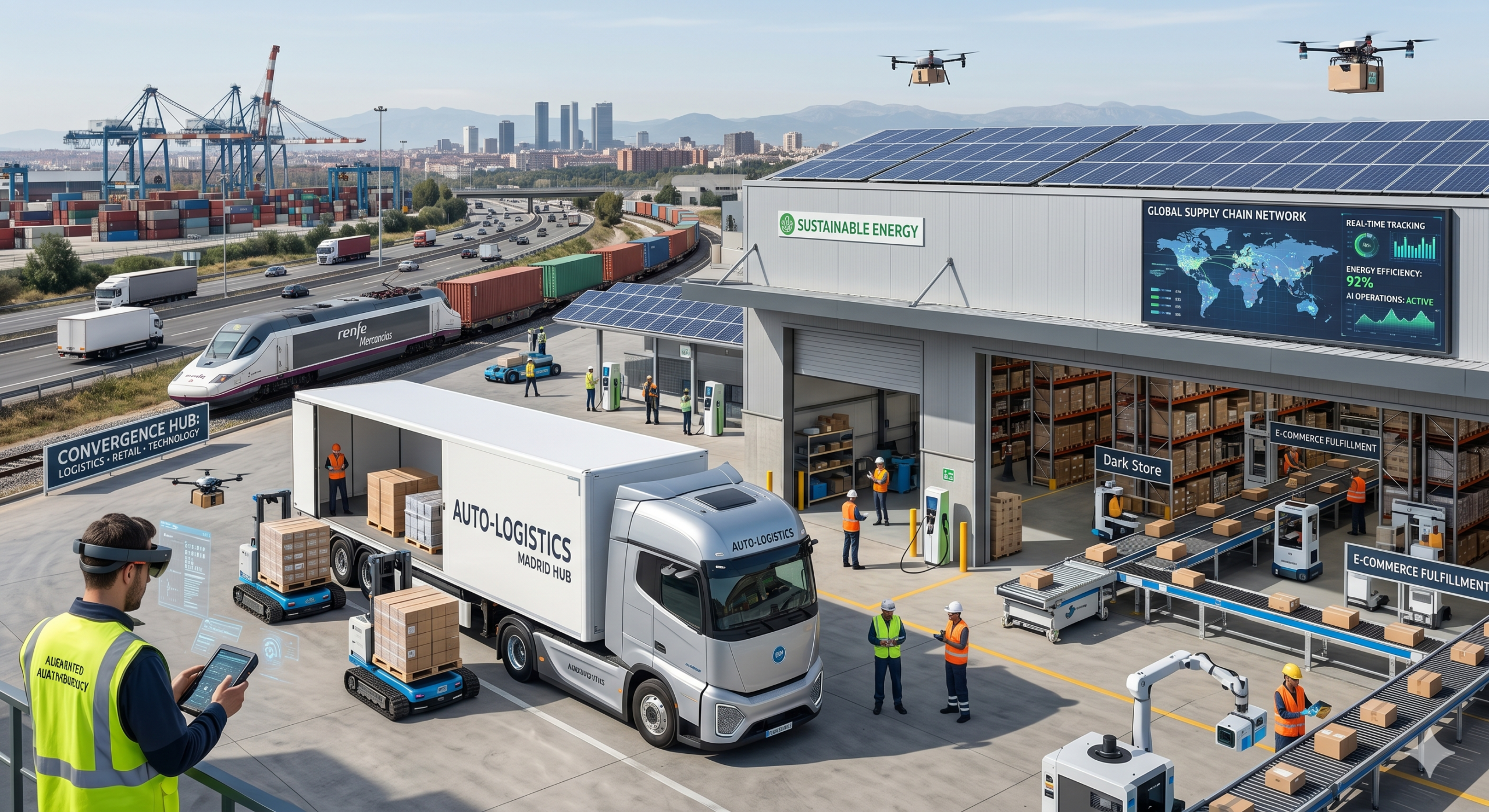
In today’s rapidly changing business environment, industries like logistics, retail, energy, and mining are becoming more interconnected than ever. While each sector faces its own challenges, several shared trends are shaping how companies operate, compete, and grow.
Understanding these trends is key to staying ahead in an increasingly complex global market.
1. Digital Transformation Across Industries
One of the most important trends is the continued push toward digital transformation. Companies are investing in technologies that allow them to operate more efficiently and make better decisions.
This includes:
- Cloud-based systems
- Real-time data platforms
- Integrated digital tools
Across industries, digitalization is helping businesses move faster and respond more effectively to change.
2. Automation and Operational Efficiency
Automation is no longer limited to manufacturing—it is expanding across logistics, retail, and even resource-based industries.
Companies are adopting:
- Robotics in warehouses
- Automated processes in operations
- AI-driven decision-making systems
The goal is clear: reduce costs, increase speed, and improve accuracy.
3. Data as a Strategic Asset
Data is becoming one of the most valuable resources for modern businesses. Organizations are using data to:
- Forecast demand
- Optimize supply chains
- Improve customer experiences
Those who can effectively collect, manage, and analyze data gain a significant competitive advantage.
4. Supply Chain Resilience
Recent global disruptions have highlighted the importance of resilient supply chains. Companies are rethinking how they source, store, and transport goods.
Key strategies include:
- Diversifying suppliers
- Increasing inventory visibility
- Investing in flexible logistics networks
Resilience is now just as important as efficiency.
5. Sustainability and Environmental Pressure
Sustainability is becoming a major priority across industries. Companies face increasing pressure to:
- Reduce emissions
- Optimize resource usage
- Adopt greener practices
This trend is particularly strong in sectors like logistics and energy, but it is spreading everywhere.
6. Changing Customer Expectations
Customer expectations are evolving rapidly, especially in retail. People now expect:
- Faster delivery
- Better service
- More personalized experiences
These expectations are influencing how companies design their operations and strategies.
7. Integration of Physical and Digital Systems
The line between physical operations and digital systems is becoming blurred. Businesses are creating connected ecosystems where data flows seamlessly between warehouses, stores, and online platforms.
This integration enables:
- Real-time decision-making
- Better coordination
- Improved efficiency
Final Thought
These trends show that industries are no longer evolving in isolation. Instead, they are converging around common themes: technology, data, efficiency, and sustainability.
Companies that recognize and adapt to these changes will be better positioned to compete in a fast-moving global economy.
In the end, success will not depend on reacting to change—but on anticipating it and building systems that can evolve with it.

From the publisher
Everything we know about running Amazon, in one course.
The commercial strategy, taught by operators who run our own brands.
 Erene Araojo